






Business Setup in UAE: Everything You Need to Know in 2026
The United Arab Emirates (UAE) has become one of the world’s most attractive destinations for entrepreneurs, startups, SMEs, multinational corporations, freelancers, and investors. With its strategic location connecting Asia, Europe, and Africa, modern infrastructure, investor-friendly regulations, and tax-efficient environment, the UAE continues to attract thousands of new businesses every year.
Whether you’re planning to launch a technology startup, consultancy, trading company, eCommerce business, manufacturing firm, or professional service, understanding the different company formation options is the first step toward success.
This guide explains everything about business setup in UAE, including:
- Mainland Company Formation
- Free Zone Company Formation
- Offshore Company Formation
- Business Licenses
- Costs
- Taxation
- Visa Requirements
- Banking
- Frequently Asked Questions
Why Start a Business in UAE?
The UAE offers numerous advantages for entrepreneurs and foreign investors.
Key Benefits
- 100% foreign ownership in most business activities
- Corporate tax incentives for qualifying businesses
- No personal income tax
- Stable economy
- World-class infrastructure
- Global logistics hub
- Strong banking system
- Easy international trade
- Strategic location
- Multiple visa options
- Access to Middle East, Africa and Asian markets
Types of Business Setup in UAE
There are three primary business jurisdictions in the UAE.
1. Mainland Company
A Mainland company is licensed by the respective Emirate’s Department of Economy and Tourism (DET) or equivalent licensing authority.
Advantages
- Trade anywhere in UAE
- Work with government entities
- No restrictions on office location
- Unlimited business opportunities
- Eligible for corporate bank accounts
- Can bid for government contracts
Suitable For
- Retail businesses
- Restaurants
- Construction
- Consultancy
- Healthcare
- Education
- Trading
- Manufacturing
2. Free Zone Company
Free Zones are designated business areas designed to attract international investors through simplified regulations.
Benefits
- 100% foreign ownership
- Fast company registration
- Customs benefits
- Easy visa processing
- Modern office solutions
- Flexi desks available
- Startup-friendly packages
Ideal For
- IT Companies
- Marketing Agencies
- Digital Businesses
- Consulting Firms
- Trading Companies
- Media Businesses
- Logistics
- E-commerce
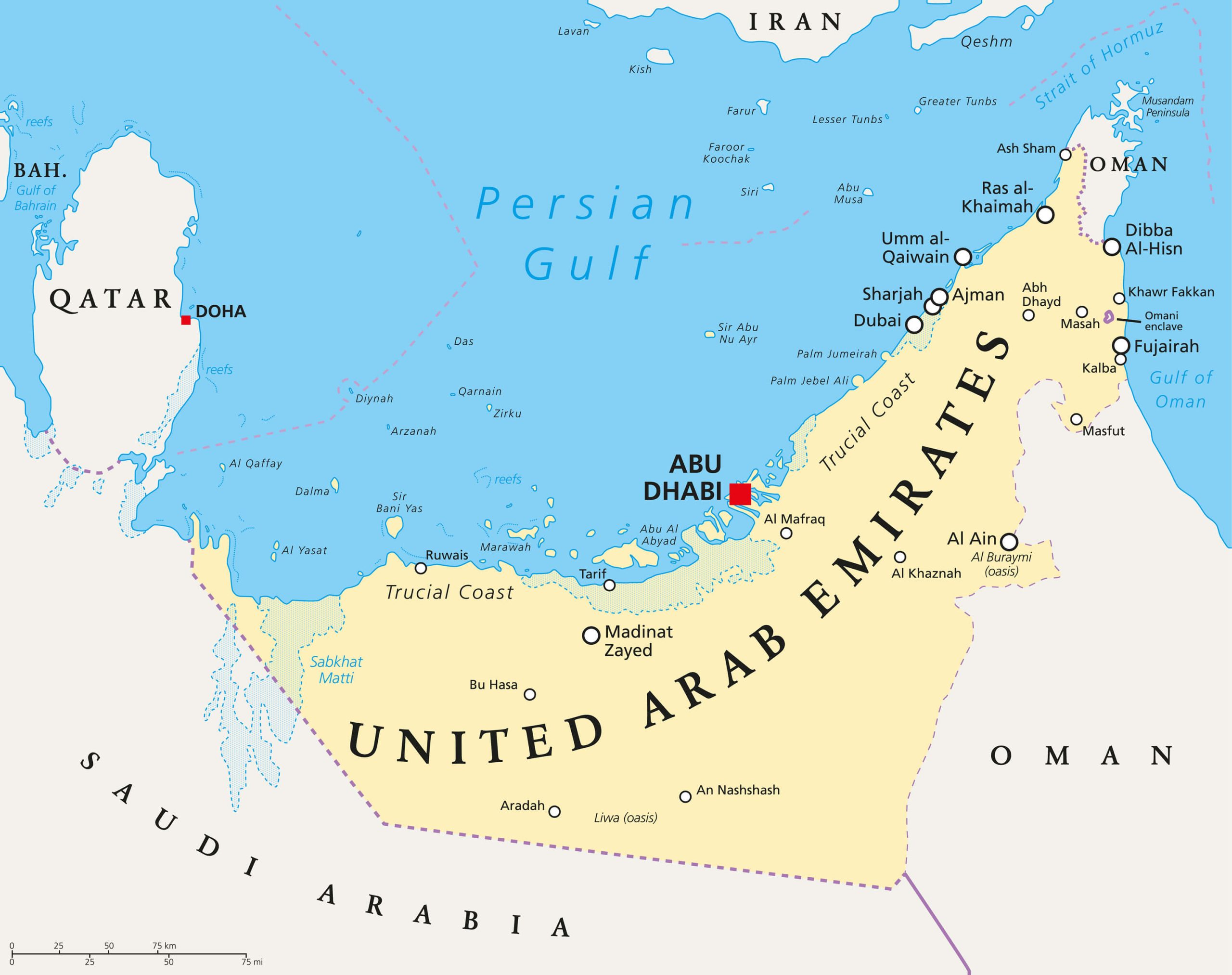
Popular UAE Free Zones
Dubai
- Dubai Multi Commodities Centre (DMCC)
- Dubai Silicon Oasis (DSO)
- IFZA
- Meydan Free Zone
- Dubai Airport Free Zone (DAFZA)
- Dubai South
- Dubai Internet City
- Dubai Media City
Abu Dhabi
- ADGM
- KEZAD
- Masdar City
Sharjah
- Sharjah Media City (SHAMS)
- Sharjah Publishing City
- Hamriyah Free Zone
Ras Al Khaimah
- RAKEZ
Fujairah
- Creative City
- Fujairah Free Zone
Ajman
- Ajman Free Zone
Umm Al Quwain
- UAQ Free Trade Zone
3. Offshore Company
Offshore companies are established primarily for international business and asset holding.
Features
- International trading
- Asset protection
- Holding investments
- Intellectual property ownership
- No physical office requirement in many cases
Limitations
Offshore companies generally cannot conduct business directly within the UAE local market.
Mainland vs Free Zone vs Offshore
| Feature | Mainland | Free Zone | Offshore |
|---|---|---|---|
| UAE Trading | Yes | Limited | No |
| International Trade | Yes | Yes | Yes |
| Office Required | Usually Yes | Flexible | Usually No |
| Government Contracts | Yes | No | No |
| UAE Visa | Yes | Yes | Usually No |
| Local Business | Yes | Limited | No |
| Import/Export | Yes | Yes | International Only |
Types of UAE Business Licenses
Businesses require the appropriate license depending on their activity.
Commercial License
Suitable for:
- Trading
- Import
- Export
- Wholesale
- Retail
Professional License
Suitable for:
- Consultants
- Marketing Agencies
- Designers
- Engineers
- Accountants
- Freelancers
Industrial License
Suitable for:
- Manufacturing
- Assembly
- Production
- Packaging
Tourism License
For:
- Travel agencies
- Tour operators
- Destination management companies
E-commerce License
Perfect for:
- Online stores
- Digital marketplaces
- Online services
- Dropshipping
Steps to Register a Company in UAE
Step 1
Choose your business activity.
Step 2
Select the right jurisdiction.
- Mainland
- Free Zone
- Offshore
Step 3
Choose a legal structure.
Examples include:
- Sole Establishment
- Limited Liability Company (LLC)
- Civil Company
- Branch Office
- Representative Office
Step 4
Reserve a company name.
Step 5
Apply for initial approval.
Step 6
Prepare legal documentation.
Common documents include:
- Passport copy
- Visa copy (if applicable)
- Emirates ID (if resident)
- Passport-sized photograph
- Business plan (where required)
Step 7
Lease office space if required.
Options include:
- Physical office
- Executive office
- Flexi desk
- Virtual office (where permitted)
Step 8
Obtain your business license.
Step 9
Apply for establishment card.
Step 10
Process investor and employee visas.
Step 11
Open a UAE corporate bank account.
Business Setup Costs in UAE
Company formation costs depend on:
- Jurisdiction
- Number of visas
- Office requirements
- Business activity
- Government fees
Typical expenses may include:
- License fee
- Registration fee
- Immigration card
- Visa processing
- Medical examination
- Emirates ID
- Office rent
- Bank account setup
- Insurance (if applicable)
Corporate Tax in UAE
The UAE introduced a federal corporate tax regime in 2023.
Key points include:
- Many small businesses may benefit from available reliefs if they meet eligibility criteria.
- Certain qualifying Free Zone entities may benefit from preferential tax treatment on qualifying income, subject to meeting regulatory requirements.
- VAT registration may be required once the applicable turnover threshold is reached.
Tax obligations depend on your business activity, structure, and revenue. Professional tax advice is recommended.
Can Foreigners Own a Company in UAE?
Yes.
Foreign investors can own 100% of many businesses in both Mainland and Free Zones, subject to the applicable laws and the nature of the licensed activity.
Best Businesses to Start in UAE
Growing sectors include:
- Digital Marketing Agency
- AI Services
- IT Consultancy
- Cybersecurity
- E-commerce
- Business Consultancy
- Tourism
- Food & Beverage
- Logistics
- Healthcare
- Education
- FinTech
- Renewable Energy
- Construction
- Real Estate Services
Documents Required
Typically required documents include:
- Passport copy
- Passport-size photograph
- Visa copy (if applicable)
- Emirates ID (for residents)
- Business activity details
- Company name options
- Address proof (where applicable)
Additional documents may be requested depending on the chosen jurisdiction or regulated business activity.
Advantages of UAE Business Setup
- Strategic global location
- Modern transportation network
- Excellent airports and seaports
- Investor-friendly regulations
- Strong digital infrastructure
- International banking
- Political stability
- High quality of life
- Skilled workforce
- Access to regional and global markets
Common Mistakes to Avoid
- Choosing the wrong license
- Selecting an unsuitable jurisdiction
- Underestimating visa requirements
- Ignoring compliance obligations
- Using an inappropriate business activity
- Failing to plan banking requirements
- Not budgeting for annual renewals
Frequently Asked Questions (FAQ)
Which is better: Mainland or Free Zone?
It depends on your business model. Mainland companies generally offer greater flexibility for trading within the UAE and government projects, while Free Zones are often preferred for export-oriented, service-based, and international businesses due to streamlined processes.
Can I own 100% of a UAE company?
Yes. Many business activities permit 100% foreign ownership, subject to the applicable regulations.
Can I obtain a UAE residence visa through my company?
Yes. Many business structures allow investors and eligible employees to apply for UAE residence visas, subject to immigration rules.
Do I need an office?
Requirements vary by jurisdiction. Some Free Zones provide flexi-desk or shared office solutions, while Mainland businesses may require dedicated office premises depending on the activity.
Can I open a bank account?
Yes. Once your company is established and you meet the bank’s compliance requirements, you can apply for a UAE corporate bank account.
Conclusion
The UAE remains one of the most business-friendly destinations in the world, offering flexible company structures, strategic market access, and a supportive regulatory environment. Choosing between Mainland, Free Zone, and Offshore depends on your business objectives, target customers, budget, and operational needs.
Before incorporating, compare jurisdictions carefully, verify the licensing requirements for your intended activities, and plan for taxation, banking, visa eligibility, and ongoing compliance. A well-informed choice at the outset can save significant time and costs as your business grows.


